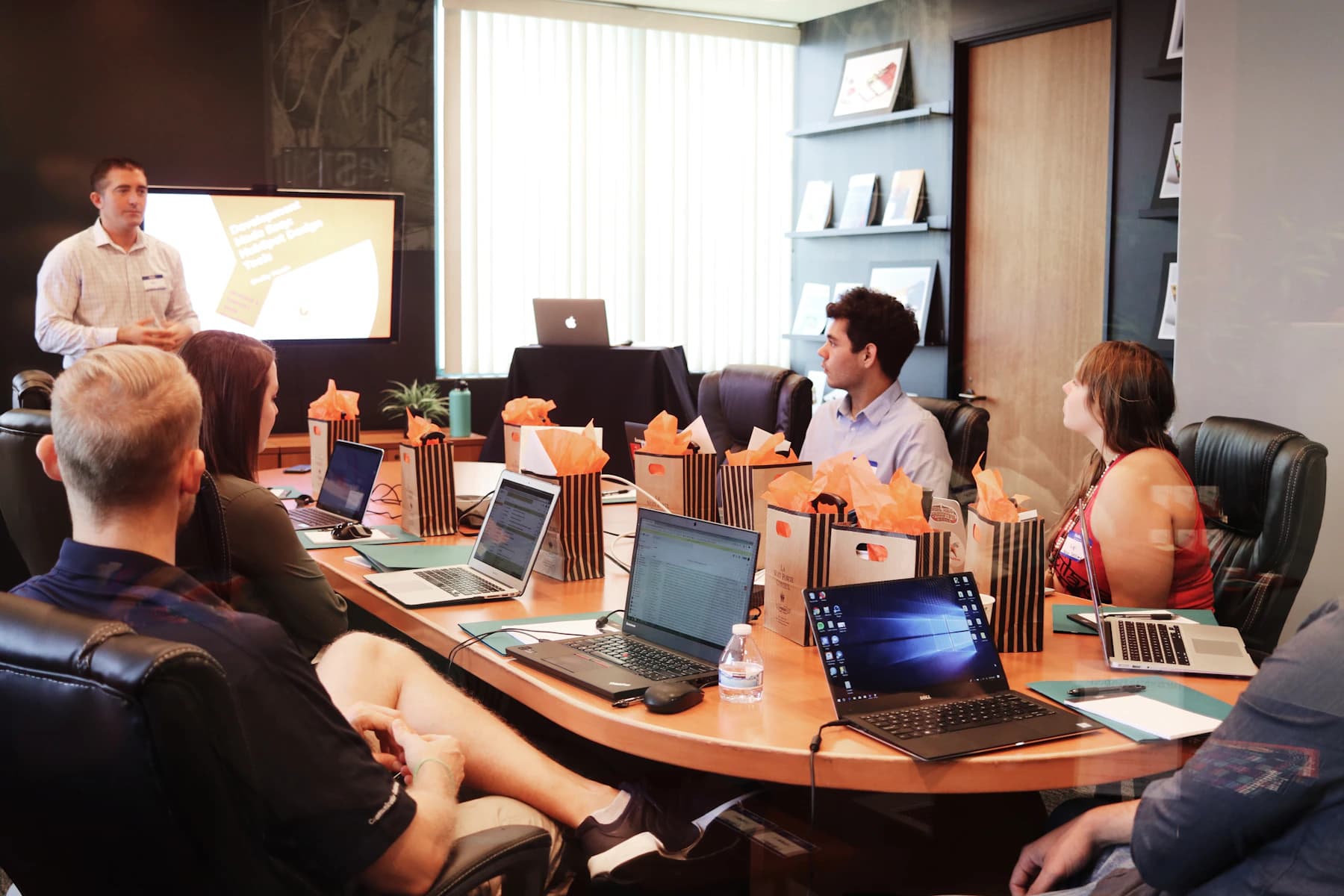
A team working through a practical workflow exercise together

The Skill InForge method

Training works when it changes what people can do.

Connect diagnosis, role relevance, practical learning, responsible use and follow-through so capability develops beyond the session.

From curiosity to capability

  1. 01Assess
  2. 02Prioritise
  3. 03Learn
  4. 04Apply
  5. 05Measure

Each stage produces a useful decision or working asset. Begin with an assessment, one team or one suitable workflow.

Who InForgepartners with...

Dove Home Care
Index.dev
SSJ Beverages
Personalaser
BSEEN
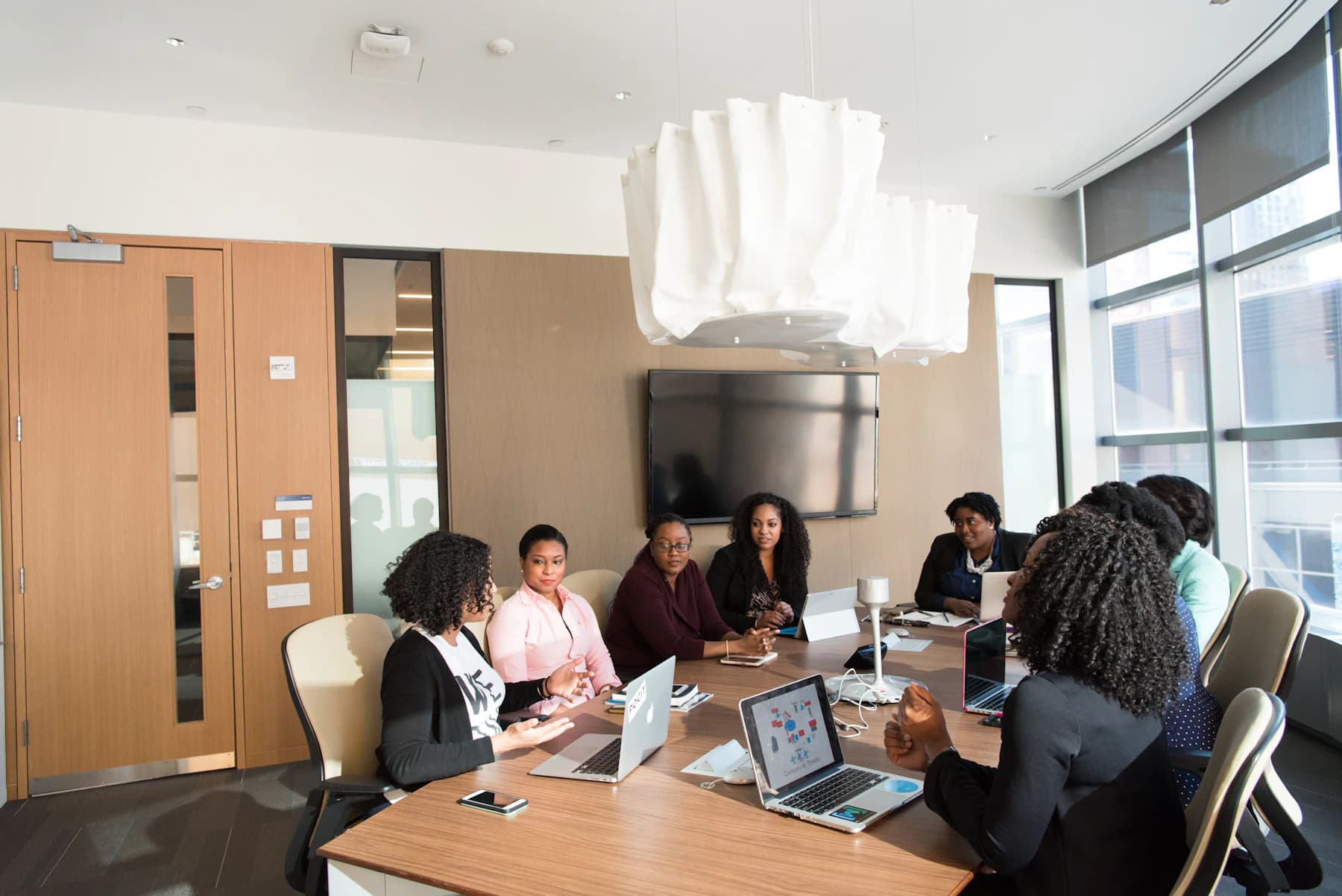
A professional team participating in a facilitated learning session

Design principles

Start with work and people, not an AI tool licence

  • Make learning relevant to role responsibility.
  • Use active practice rather than presentation alone.
  • Build responsible-use judgement into every example.
  • Include managers in transfer and reinforcement.
  • Measure application and quality, not attendance alone.

Five connected stages

A method that keeps the work in view

The scope can be compact or organisation-wide. What matters is that each stage connects to a real capability decision.

  1. 01

    Assess

    Build an honest picture of the current position before choosing training.

    Input
    Leadership priorities, workforce confidence, current use, tools, policies and pain points.
    Activity
    Short assessment, stakeholder discussion and evidence review.
    Output
    A capability baseline and a clearer statement of the gap.
  2. 02

    Prioritise

    Choose the roles and work where stronger capability can create useful value.

    Input
    Candidate tasks, business priorities, data sensitivity, consequence and ease of human review.
    Activity
    Use-case and role prioritisation with value, feasibility and risk criteria.
    Output
    Priority audiences, workflows and an agreed learning focus.
  3. 03

    Learn

    Give people relevant methods, examples, practice and boundaries.

    Input
    Approved tools, role responsibilities, policies and realistic synthetic examples.
    Activity
    Facilitator-led explanation, demonstration, guided practice and output review.
    Output
    Stronger confidence, practical methods and responsible-use habits.
  4. 04

    Apply

    Turn learning into a repeatable way of working with clear human control.

    Input
    One suitable workflow, its users, quality standard and current pain.
    Activity
    Map, prototype and test using synthetic or approved information.
    Output
    A task guide, workflow asset, human checks, owner and escalation route.
  5. 05

    Measure

    Review whether capability is being used and whether the work still meets its standard.

    Input
    Agreed capability, application, quality and adoption signals.
    Activity
    Follow-up feedback, manager review and evidence of application.
    Output
    A progress view, lessons learned and a proportionate next step.

What clients can expect

Clarity before, active practice during, useful support after

01

Before

Needs check, objectives, audience, approved tools, information boundaries and relevant examples.
02

During

Clear explanation, demonstration, guided practice, output review and discussion.

03

After

Practical guide, action commitment, feedback and a recommended next step.

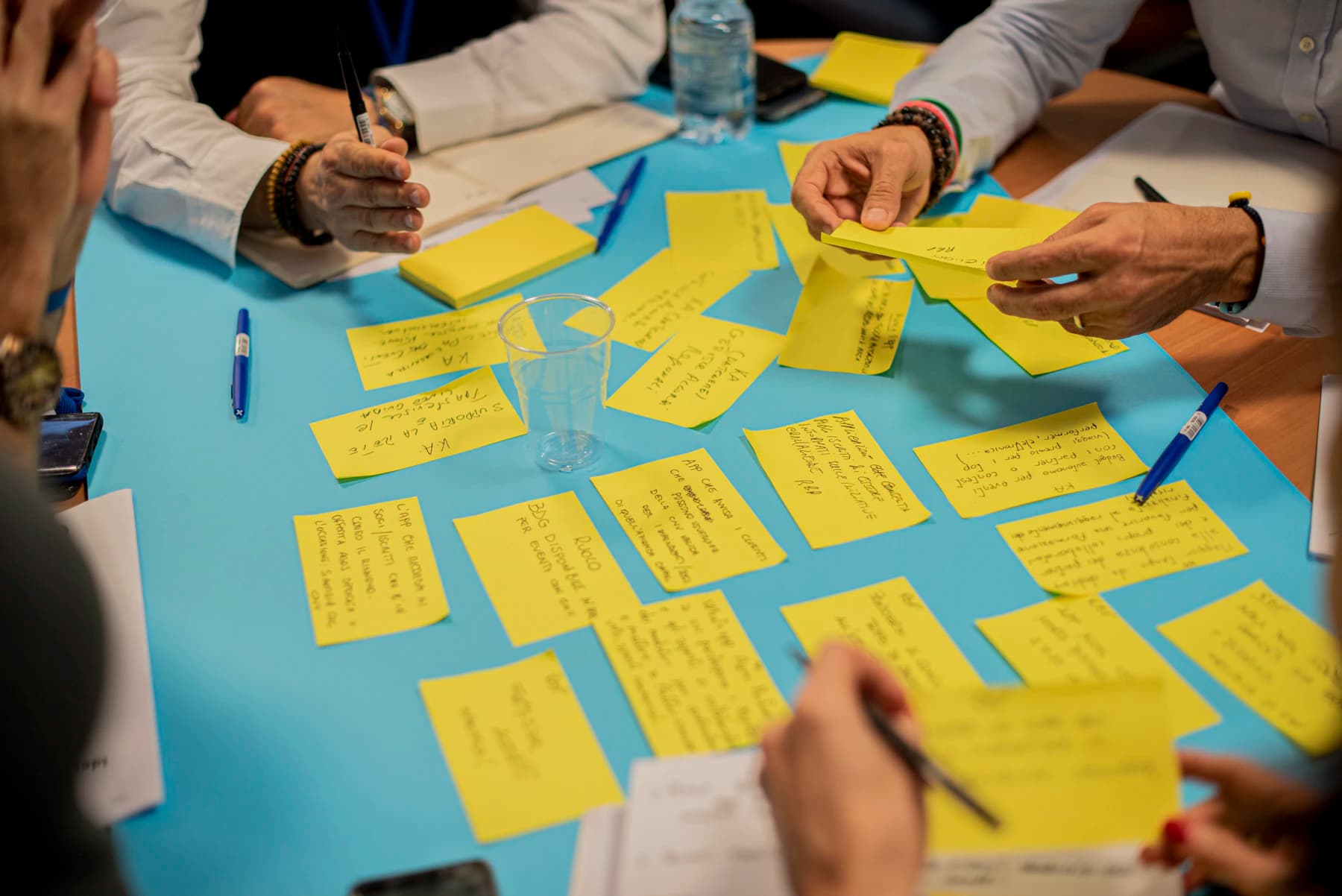
A live business workshop with a facilitator and participants

Delivery formats

One method, adapted to your context.

Delivery can be live online, in person, blended or structured as a multi-session pathway. The format follows the audience and intended application.

Live onlineIn personBlendedMulti-session pathway

Exact durations, cohort limits, venue coverage and prices will be published only when approved.

A practical next step

Build a pathway around the capability your business needs

Start with a focused view of your people, roles, current practice and the work that matters most.

No hard sell. We will use the first conversation to understand your workforce, current AI use and the capability you want to build.